
Lake Manyara National Park
About Lake Manyara National Park
Ernest Hemingway once described Lake Manyara as the loveliest lake he had seen in Africa, and it is easy to see why. Tucked at the base of the Great Rift Valley Escarpment, the park is a surprisingly diverse mix of dense groundwater forest, open floodplains, and the vast soda lake itself. It is a compact sanctuary that punches far above its weight in terms of sheer scenic beauty.\n\nThe park is most famous for its tree-climbing lions, a rare behavior that is a signature of Manyara's prides. As you move from the lush forest—where baboons and blue monkeys play in the ancient mahogany trees—to the acacia woodlands, you might spot these predators draped over the branches of large sausage or umbrella trees. The lake shore is equally spectacular, often shimmering pink with the presence of thousands of lesser flamingos and other migratory waterfowl.\n\nBeyond the lions and birds, Manyara is home to large herds of elephants, buffalos, and giraffes. The park's compact size makes it an excellent choice for a productive day trip or a gentle introduction to the northern circuit. Whether you are observing hippos at the hippo pool or taking in the views from the Maji Moto hot springs, Manyara offers a tranquil and visually stunning safari experience.
Wildlife in Lake Manyara National Park
Species you may encounter on your safari
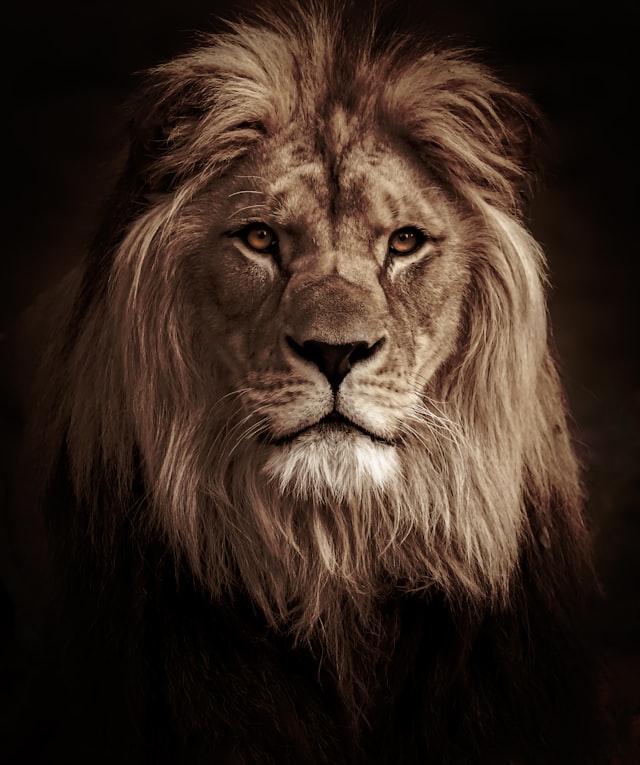 Common
Lion
Manyara's lions are world-famous for their unique habit of climbing and resting in trees.
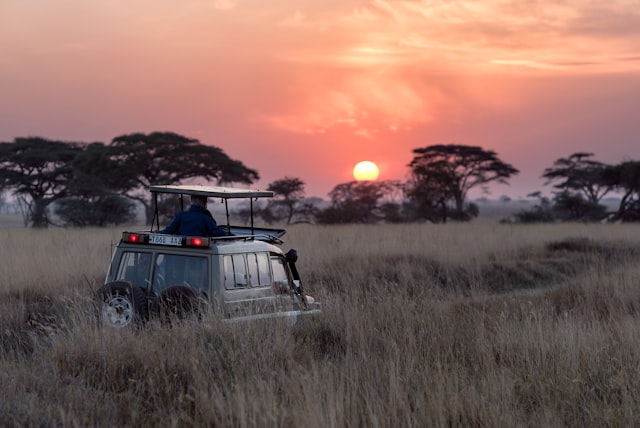 Very Common
Flamingo
Huge flocks of lesser flamingos create a vibrant pink fringe along the lake edge.
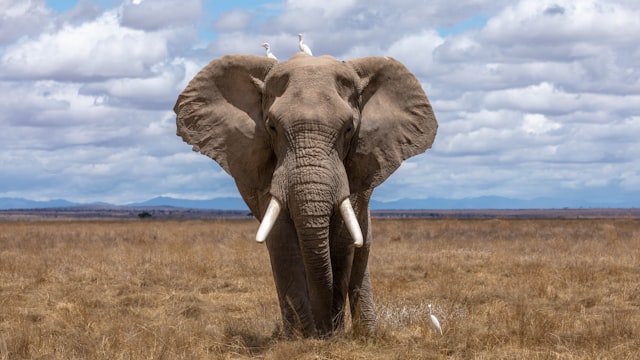 Very Common
Elephant
The park supports a healthy population of elephants that move frequently between the forest and the lake.
 Very Common
Baboon
Manyara is home to some of the largest baboon troops seen in Africa.
 Common
Hippo
The hippo pool at the northern tip of the lake provides reliable and close-up sightings.
Best Time to Visit
November - June
July - October
April - May
Experience Lake Manyara National Park
Let us craft the perfect Lake Manyara National Park itinerary for you.