
Ngorongoro Conservation Area
About Ngorongoro Conservation Area
Three million years ago, a volcano larger than Kilimanjaro collapsed upon itself and formed the Ngorongoro Crater, a 264 square kilometer caldera that has since become one of the most extraordinary concentrations of wildlife on Earth. The crater is not merely a landmark, it is an entire world contained within its ancient walls.\n\nDescending the steep crater wall at dawn, as mist rolls across the soda lake below and the first golden light catches the rim, is one of the great arrivals in African travel. The crater floor hosts an estimated 25,000 large animals in permanent residence, including one of Africa's last viable populations of black rhino, which can often be spotted grazing in the open plains near the Lerai Forest.\n\nBeyond the crater itself, the Conservation Area spans a vast range of habitats, from mountain forests and volcanic peaks to the short-grass plains that border the Serengeti. It is unique in Tanzania as a multiple land-use area where the Maasai people coexist with the wildlife, creating a cultural landscape that is as fascinating as the wildlife spectacle.
Wildlife in Ngorongoro Conservation Area
Species you may encounter on your safari
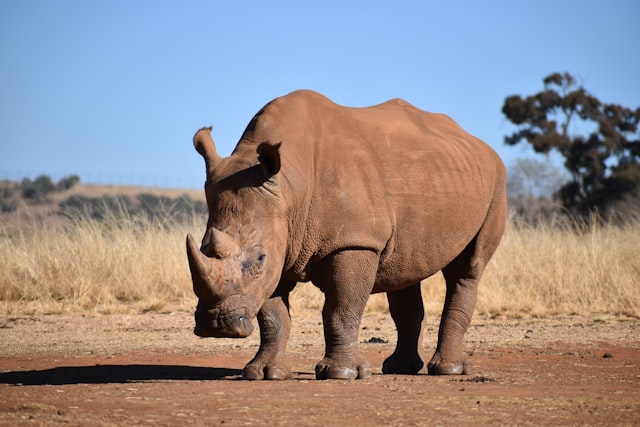 Common
Black Rhino
One of the few places in East Africa where black rhino can be reliably spotted in the wild.
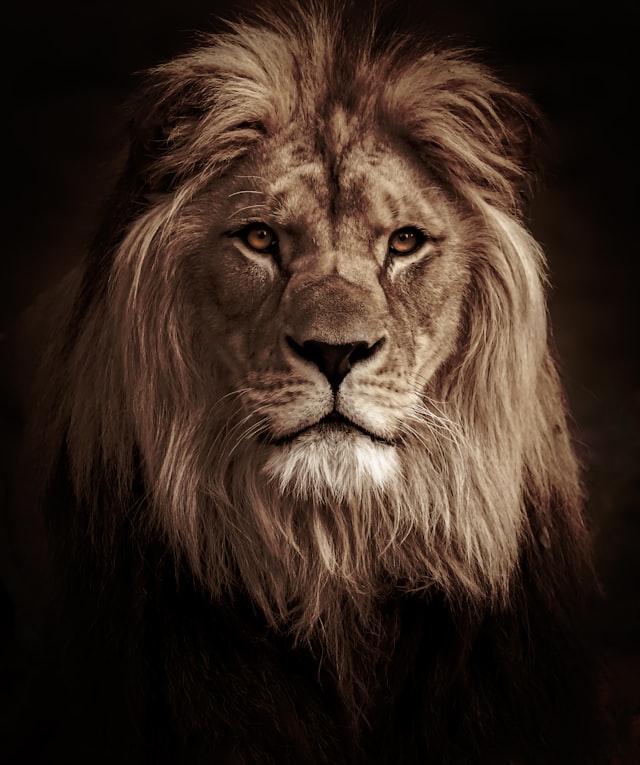 Very Common
Lion
The crater hosts a dense population of large-maned lions who are famously unperturbed by vehicles.
 Very Common
Hippo
Dozens of hippos can be found at the Ngoitokitok spring, often seen jostling for space.
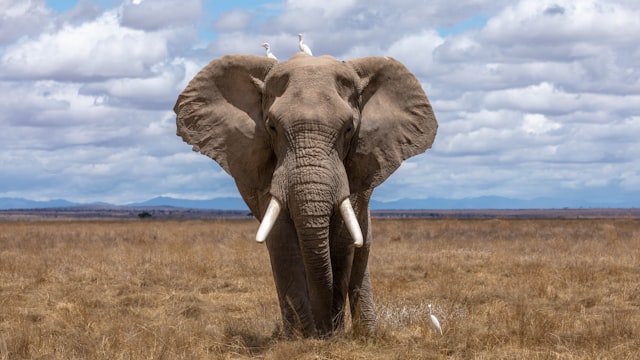 Common
Elephant
Old bull elephants with massive tusks are an iconic sight in the Lerai Forest.
CommonFlamingo
Lake Magadi often turns pink with the presence of thousands of lesser flamingos.
Best Time to Visit
June - September
March - May
October - February
Experience Ngorongoro Conservation Area
Let us craft the perfect Ngorongoro Conservation Area itinerary for you.