
Serengeti National Park
The land of endless plains and ancient migrations.
About Serengeti National Park
The Serengeti is not just a destination, it is a reckoning with the ancient. Stretching across 14,000 square kilometers of open savanna, this is the earth at its most elemental: grass and sky and the unceasing movement of life. The name itself, derived from the Maasai word 'Siringet', means 'endless plains', and standing here at dawn, with the acacia silhouettes against a bleeding horizon, you understand why.\n\nThis is the theater of the Great Migration, the largest movement of land animals on the planet, where 1.5 million wildebeest, 500,000 zebra, and 200,000 gazelle follow ancient instincts in a continuous loop across the Serengeti-Mara ecosystem. But the Serengeti is not only about the migration. Year-round, the park hosts the densest concentration of predators in Africa: lion prides draped across granite kopjes, leopards hanging their kills in acacia forks, and cheetah mothers teaching cubs the geometry of the hunt.\n\nIn the north, the Mara River crossings, where crocodiles wait in churning brown water, are among the most visceral wildlife spectacles on Earth. In the south, Ndutu's short-grass plains host the calving season in January and February, when tens of thousands of wildebeest calves are born within days of each other. The Serengeti does not offer you wildlife, it demands you witness it.
“There is no place on Earth that feels quite as primordial as the Serengeti at dawn.”
Wildlife in Serengeti National Park
Lion
Very CommonThe Serengeti holds one of Africa's largest lion populations, over 3,000 individuals.
Leopard
CommonOften found in the Seronera Valley, draped over the branches of large sausage trees.
Cheetah
CommonThe open plains provide the perfect high-speed hunting grounds for these cats.
Elephant
Very CommonMassive herds move between the riverine forests and the open plains year-round.
Black Rhino
RareA small, protected population resides in the remote Moru Kopjes area.
Best Time to Visit Serengeti National Park
The Great Migration
- · River crossings
- · Dry weather
- · High predator action
Calving Season
- · Newborn calves
- · Cheetah hunting action
- · Green plains
Emerald Season
- · Lush landscapes
- · No crowds
- · Best photography light
Experiences in Serengeti National Park
Balloon Safari
Float over the endless plains as the sun rises, followed by a champagne breakfast.
Cheetah Interaction
Observe the world's fastest land animal in its natural hunting grounds on the short grass plains.
Cultural Interaction
Visit a local Maasai village and learn about their deep connection with the wild.
Where to Stay in Serengeti National Park
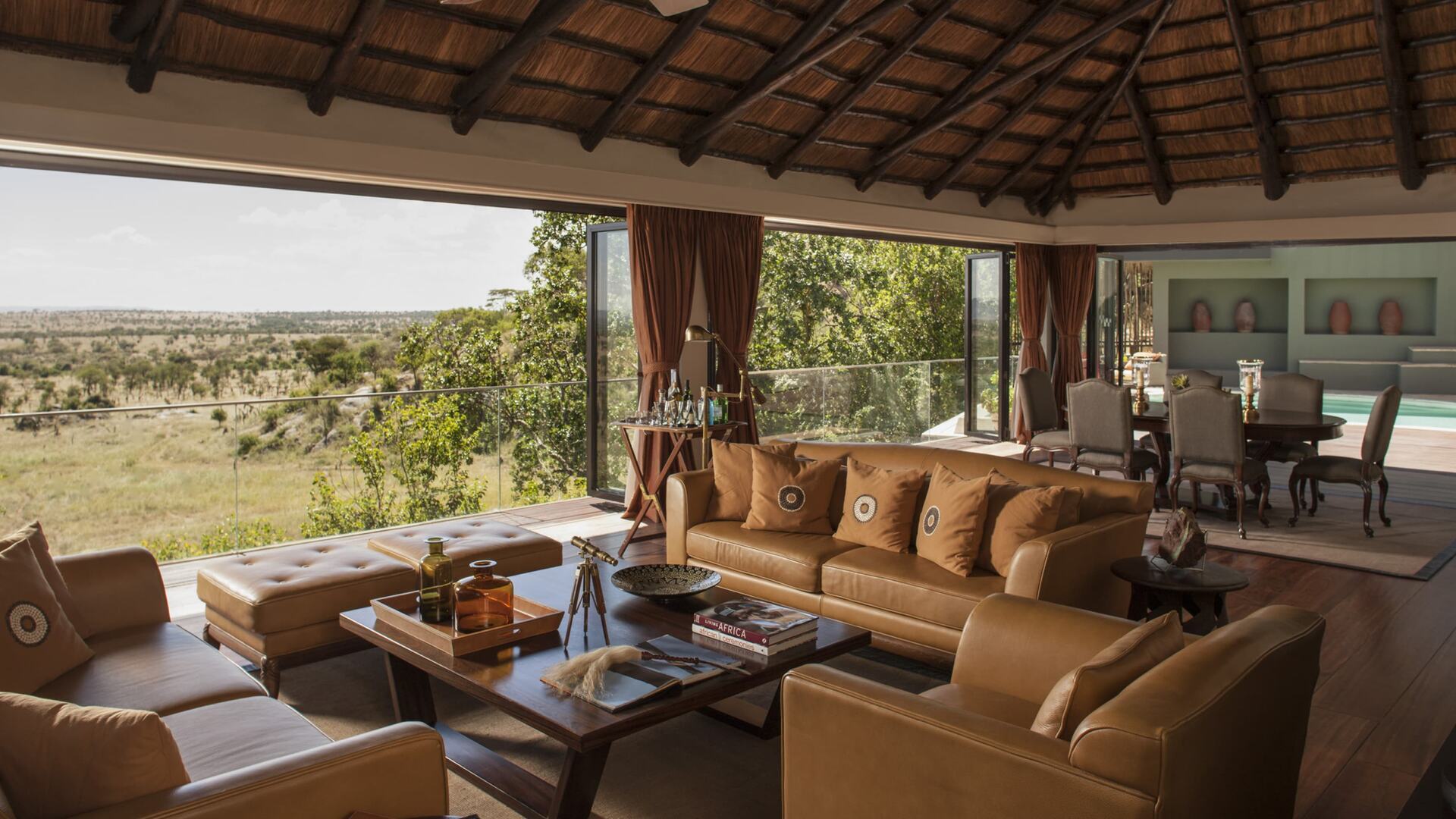 Premium
Four Seasons Safari Lodge
 Superior
Serengeti Explorer
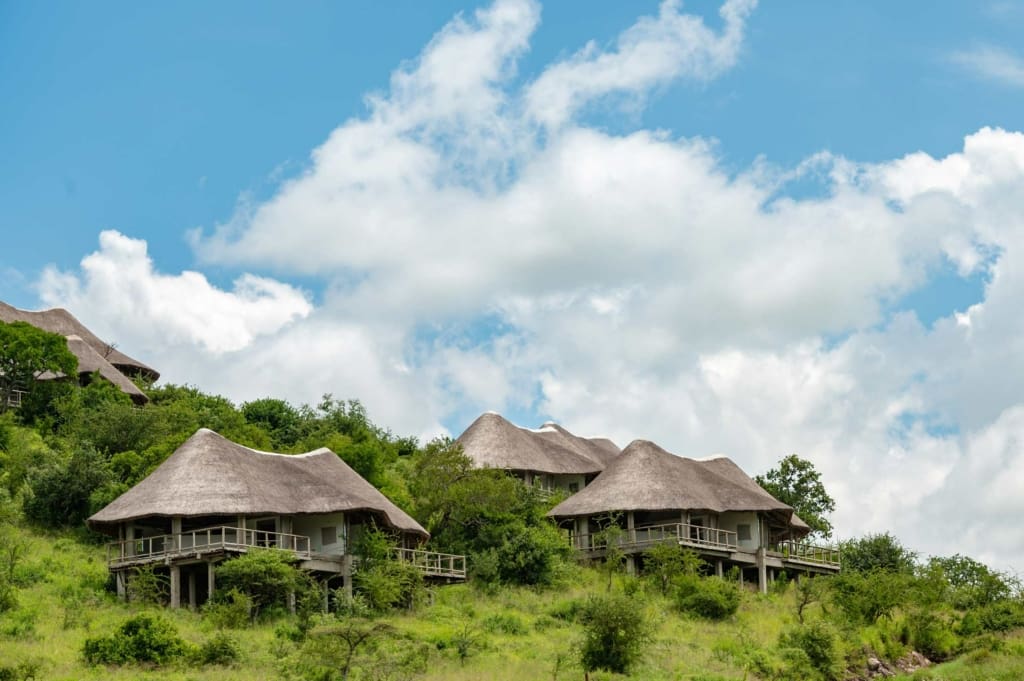 Standard
Lake Magadi Lodge
Travel Information
- Visa
- eVisa available, apply online before arrival
- Best Time
- Mid-June to October (Migration), or Jan-Feb (Calving)
- Transport
- 4x4 safari vehicles and light aircraft
- Getting There
- 1 hour from Arusha or 2 hours from Zanzibar
Serengeti National Park FAQs
When is the best time for the Great Migration?
The best time for river crossings is between July and October in the north. Calving happens in the south from late January to February.
How do I get to the Serengeti?
Most travellers fly from Arusha directly into one of the several airstrips, or drive via the Ngorongoro Conservation Area.
Is it safe for families?
Yes, many lodges are family-friendly and provide safe environments, though we recommend children be at least 6 years old for full game drives.
Experience Serengeti National Park
Let us craft the perfect Serengeti National Park itinerary for you.